

Forged Flanges & Fittings
Manufacturing Process
Our manufacturing process is designed to ensure precision, durability, and consistent quality. Each stage is carefully monitored using advanced equipment and strict quality standards to produce reliable industrial components.
Raw Materials
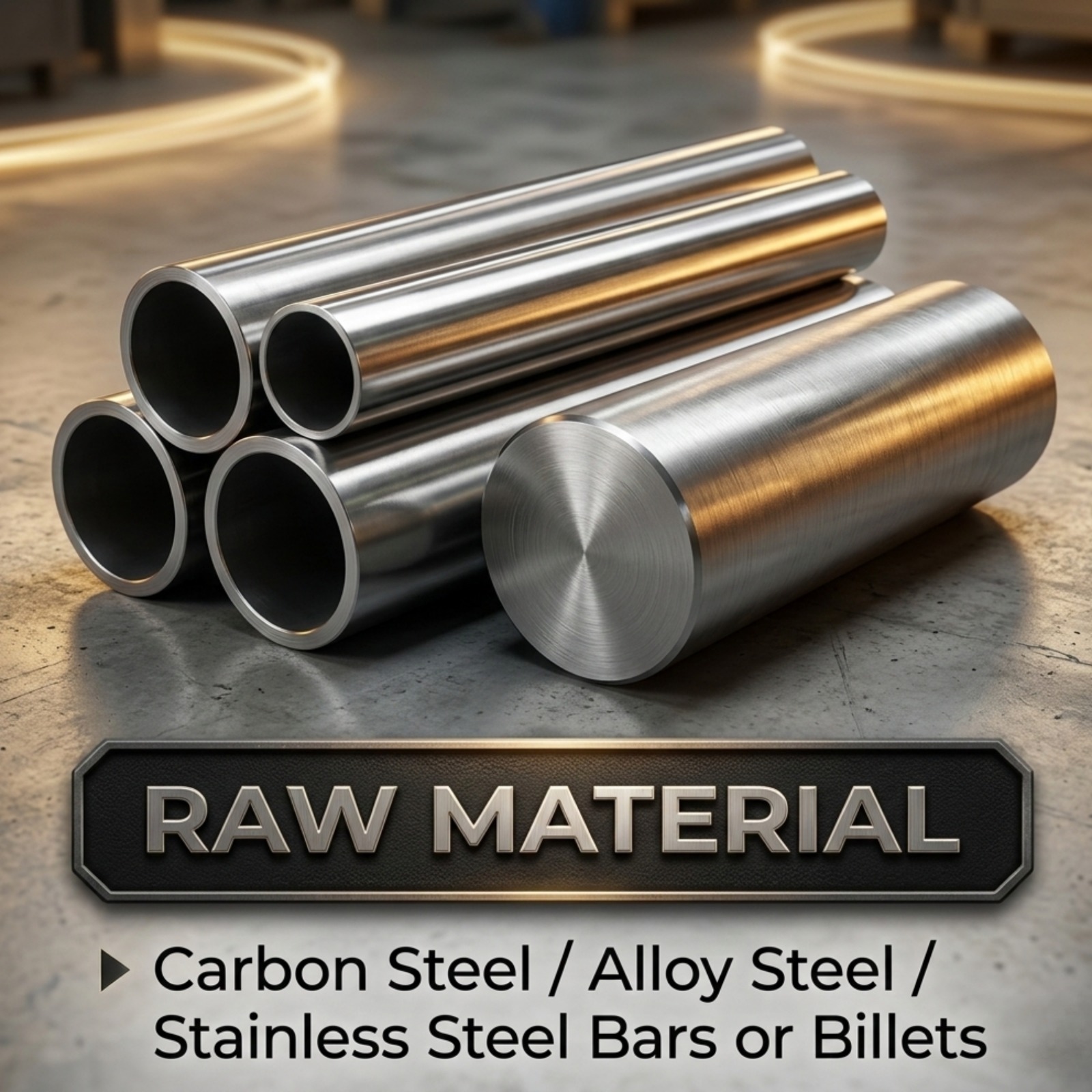
We source high-grade industrial metals and alloys that provide excellent durability and strength. Our materials are carefully selected to meet demanding industrial requirements. With a strong supply chain and inventory management system, we ensure consistent availability of raw materials for large-scale production.
Raw Material Inspection
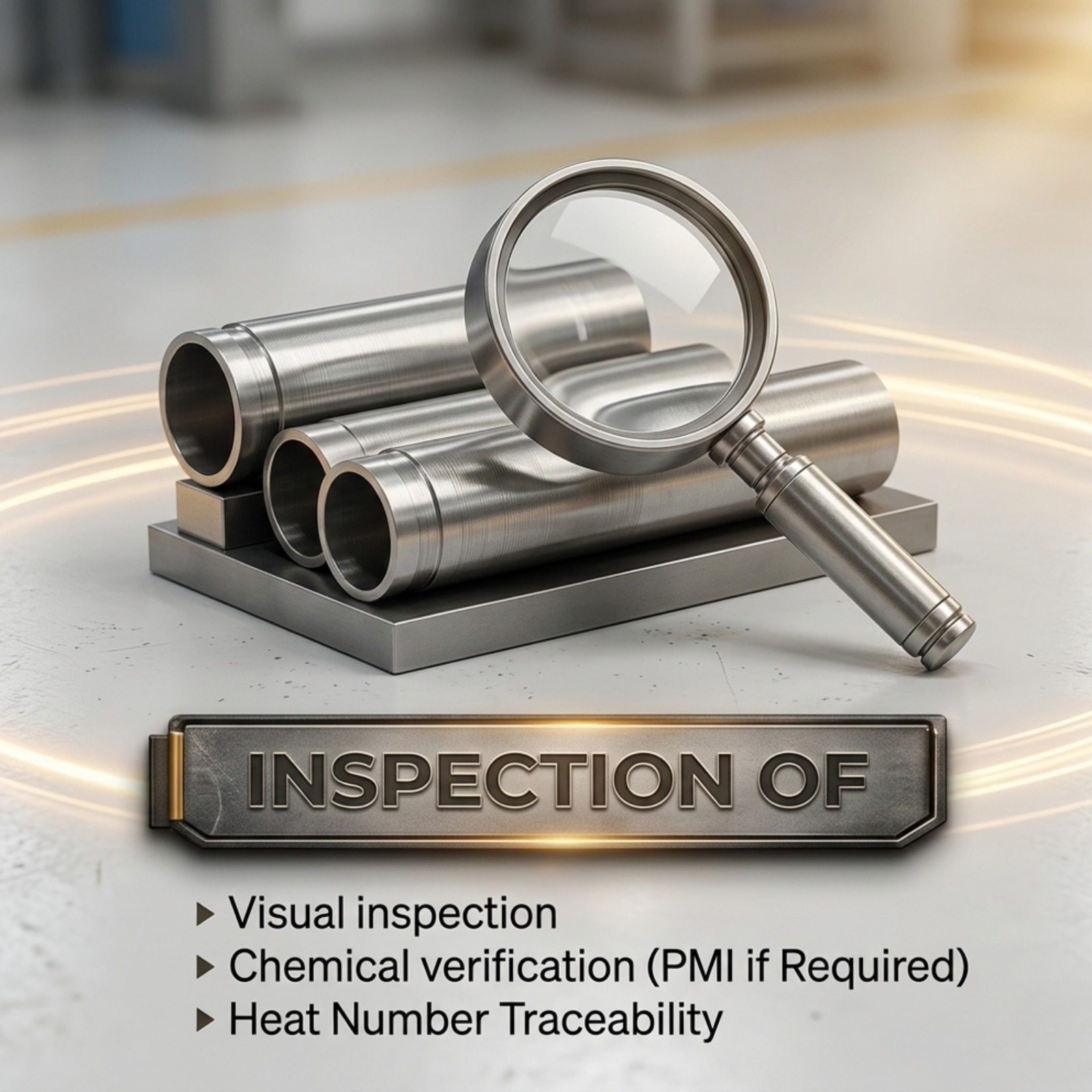
Every batch of incoming material undergoes strict inspection before entering production. Visual and dimensional checks verify that the materials meet precise engineering specifications. Chemical composition and mechanical properties are tested to ensure compliance with international standards and guarantee structural reliability.
Heating
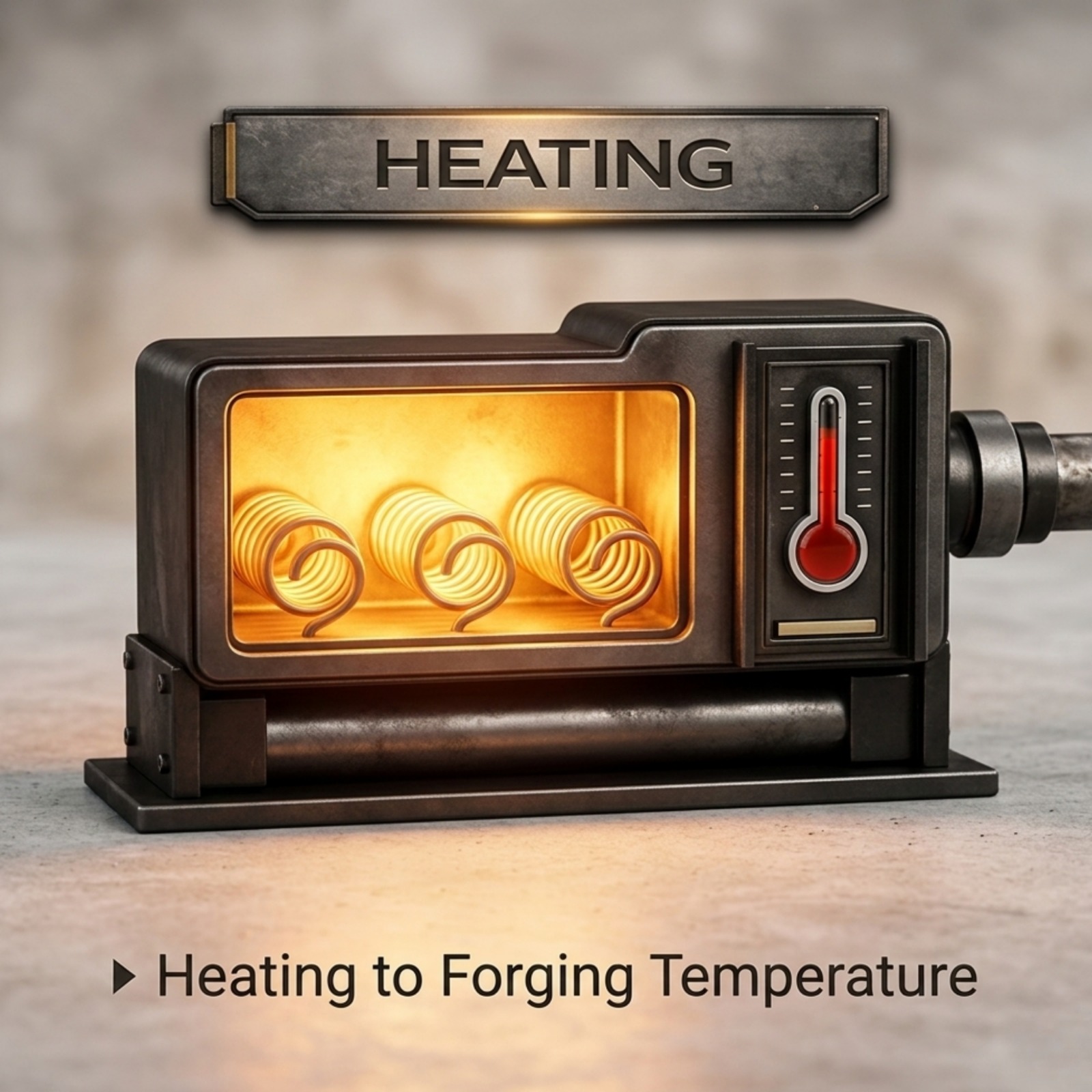
Materials are heated using precision furnaces and induction systems to achieve uniform temperature distribution. Carefully controlled heat cycles improve ductility and relieve internal stresses, preparing the material for forging or forming. Real-time temperature monitoring ensures accuracy and consistency.
Forging
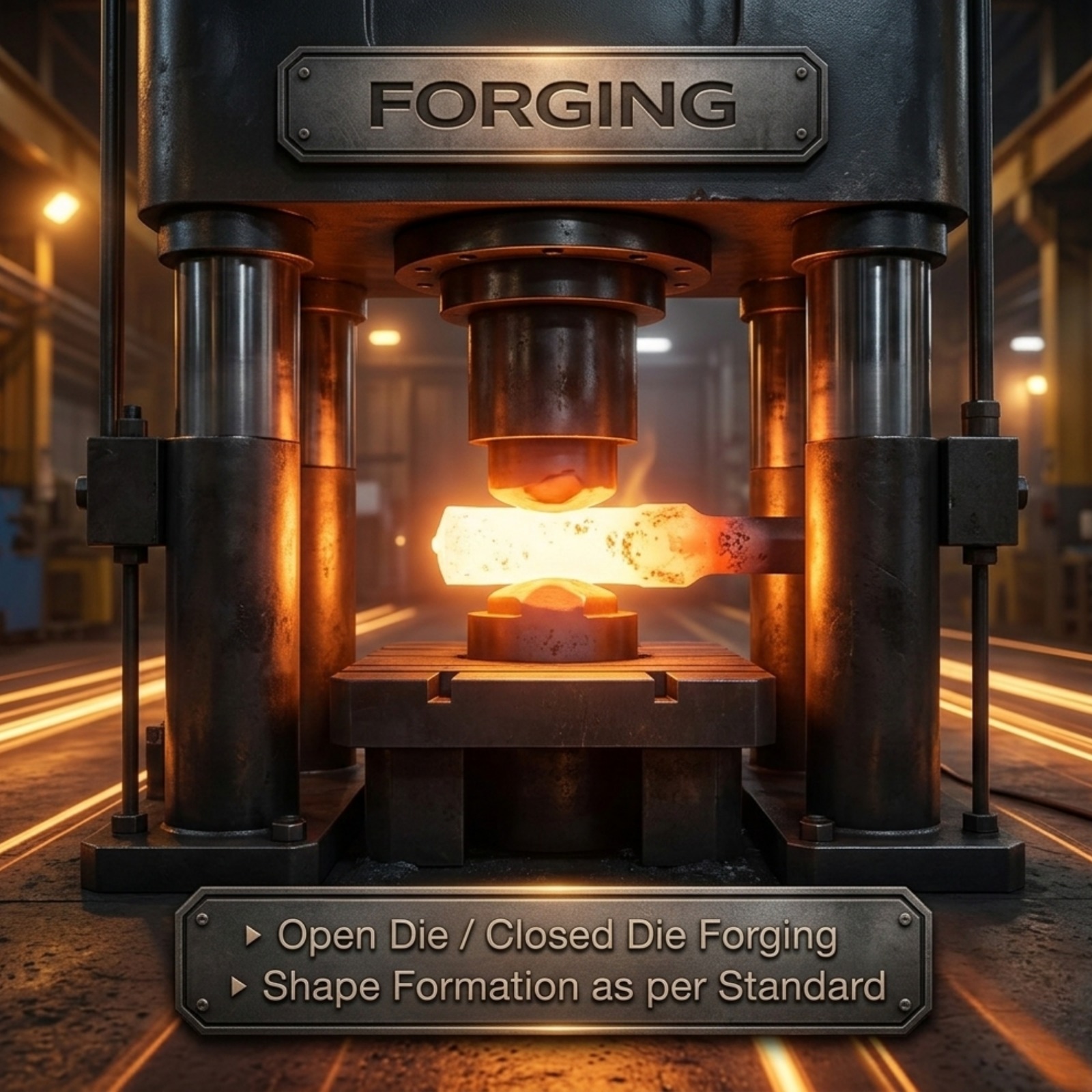
High-capacity hydraulic presses are used to forge components under controlled conditions. This process compresses the metal's grain structure, increasing strength, toughness, and fatigue resistance. Precision forging techniques allow complex shapes to be formed while minimizing additional machining.
Precision Cutting
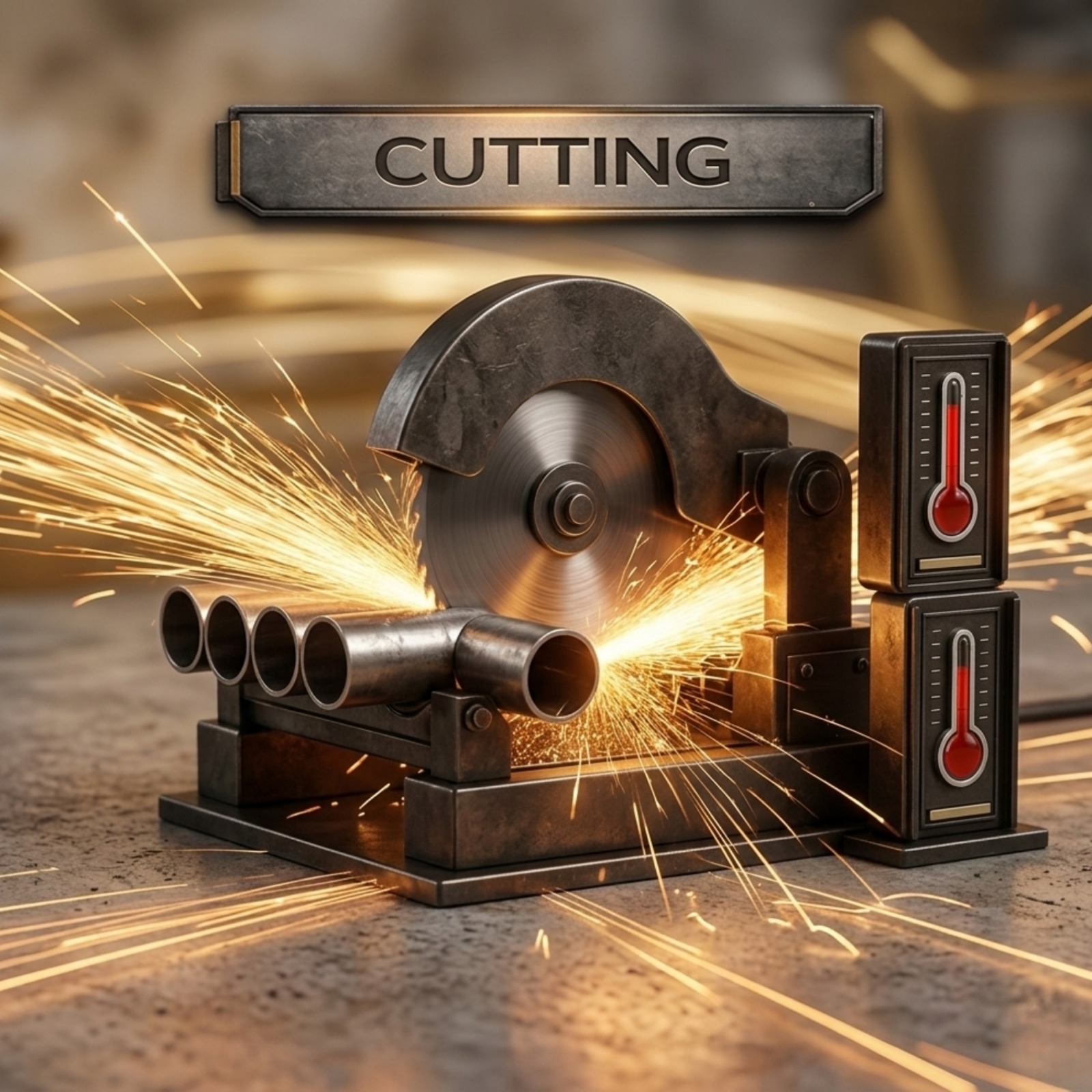
Advanced CNC and laser cutting technologies are used to achieve highly accurate component profiles. These methods ensure minimal material waste and precise geometry. Controlled cutting conditions also prevent thermal distortion and maintain the strength and integrity of the material.
Rough Machining
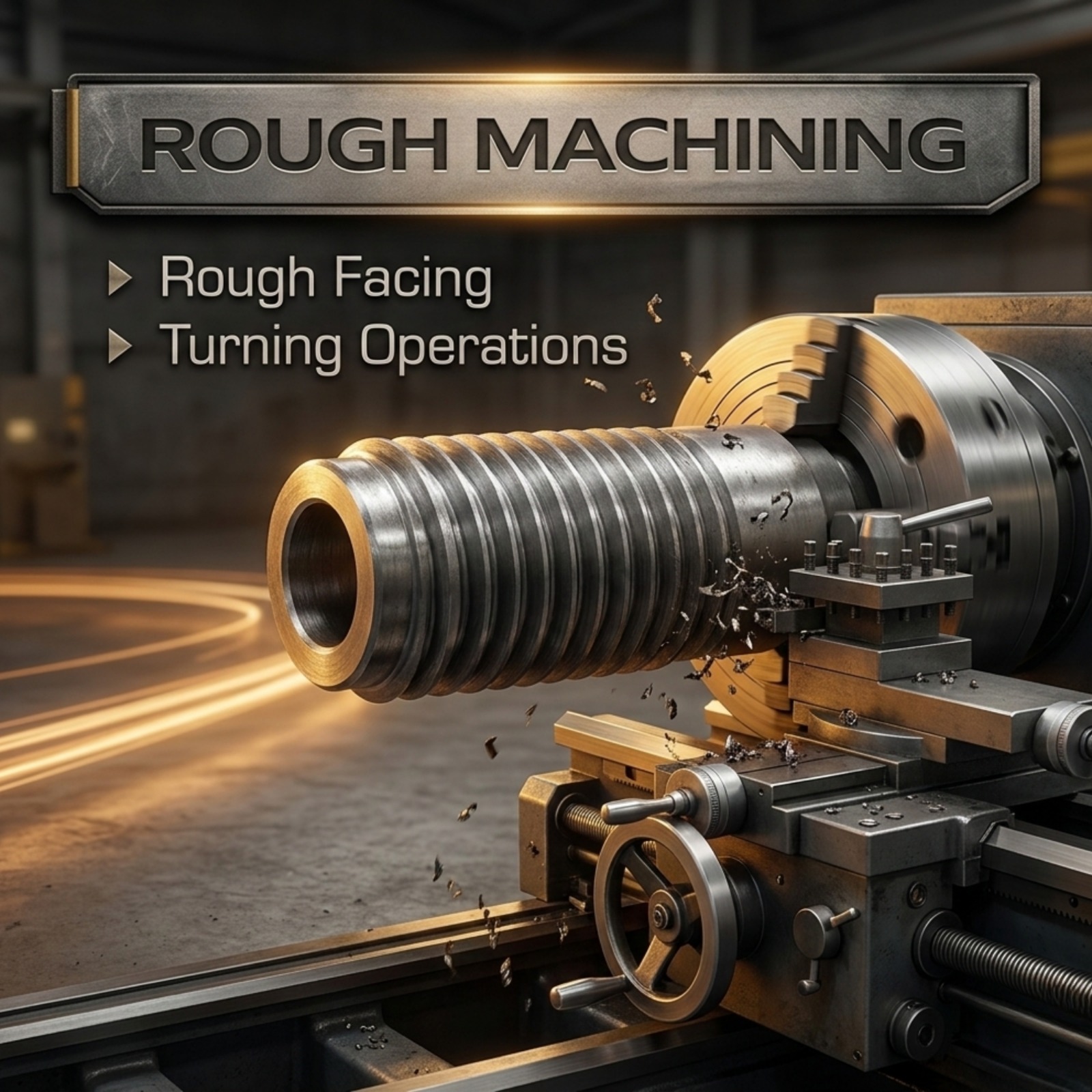
During this stage, excess material from forged components is removed using high-performance CNC machines. This process establishes the primary shape of the component while leaving precise allowances for finishing operations. It also stabilizes the workpiece for the next stages of manufacturing.
Precision Drilling & Boring
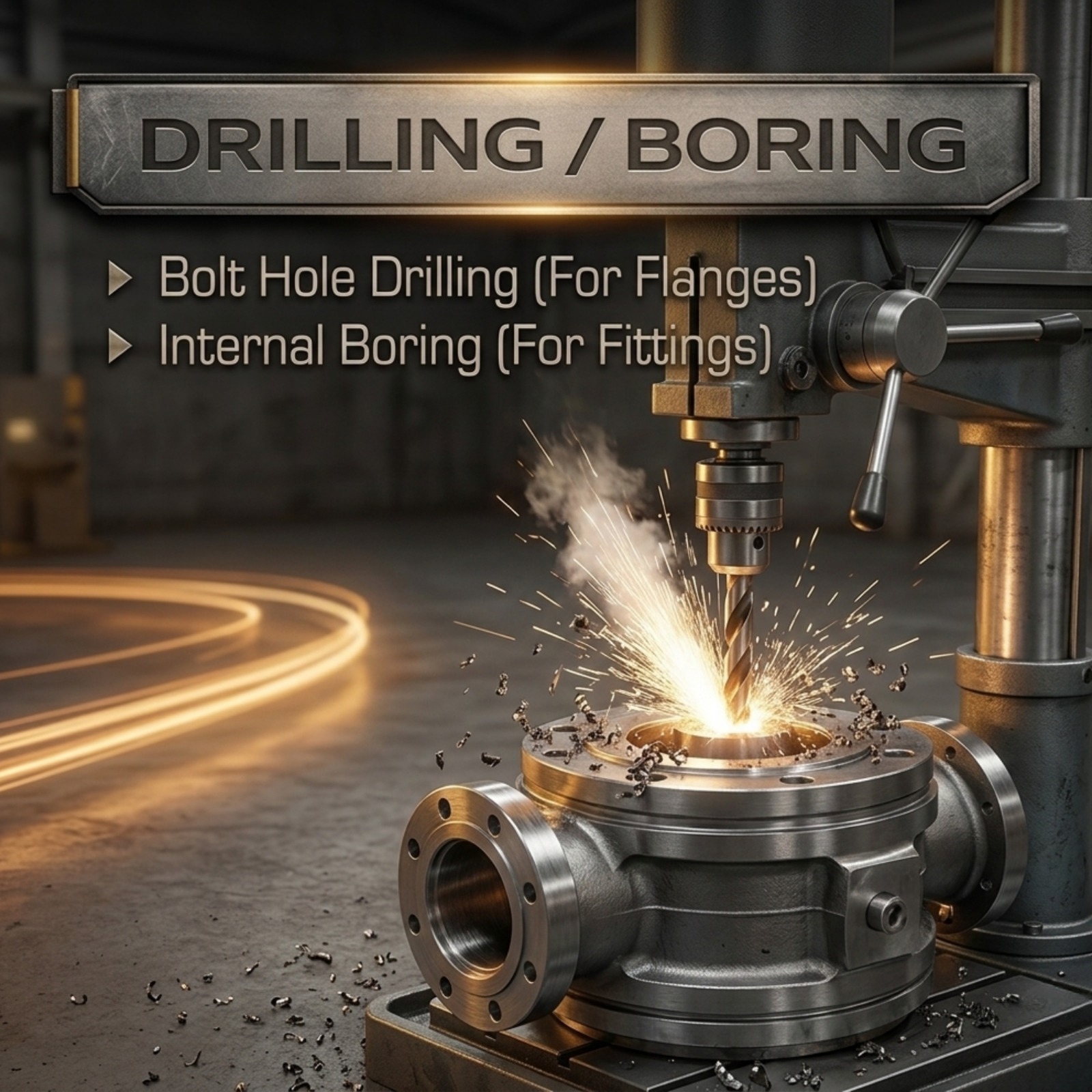
Advanced drilling and boring operations create highly accurate internal holes and cavities. CNC machining ensures precise positioning and concentricity. Specialized tools and cooling systems produce smooth internal surfaces that are critical for high-pressure sealing and component performance.
Heat Treatment
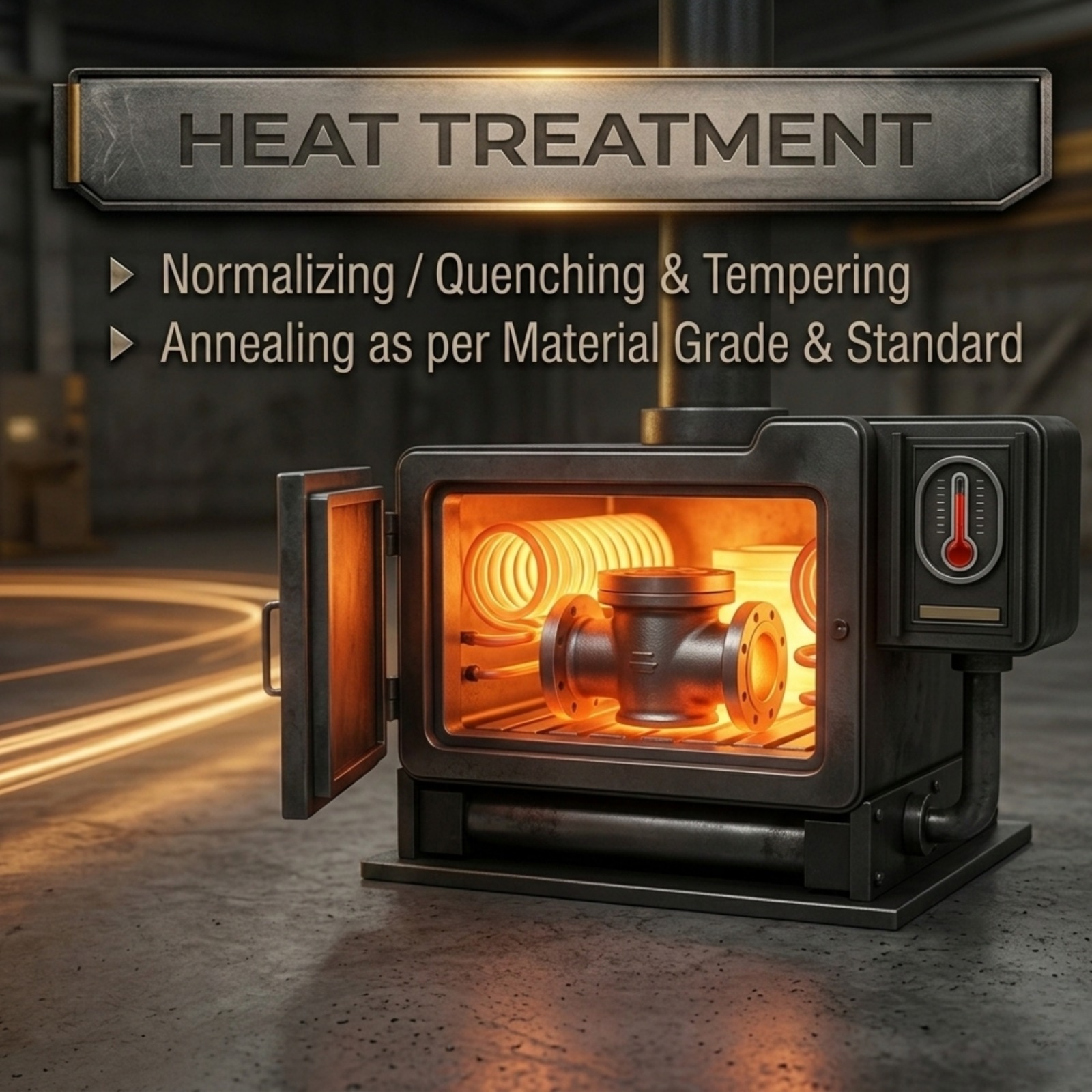
Heat treatment improves the mechanical properties of the components. Controlled heating and rapid cooling increase hardness and wear resistance. Secondary tempering processes reduce brittleness and relieve internal stress, ensuring long-term durability and reliable performance.
Surface Cleaning & Preparation
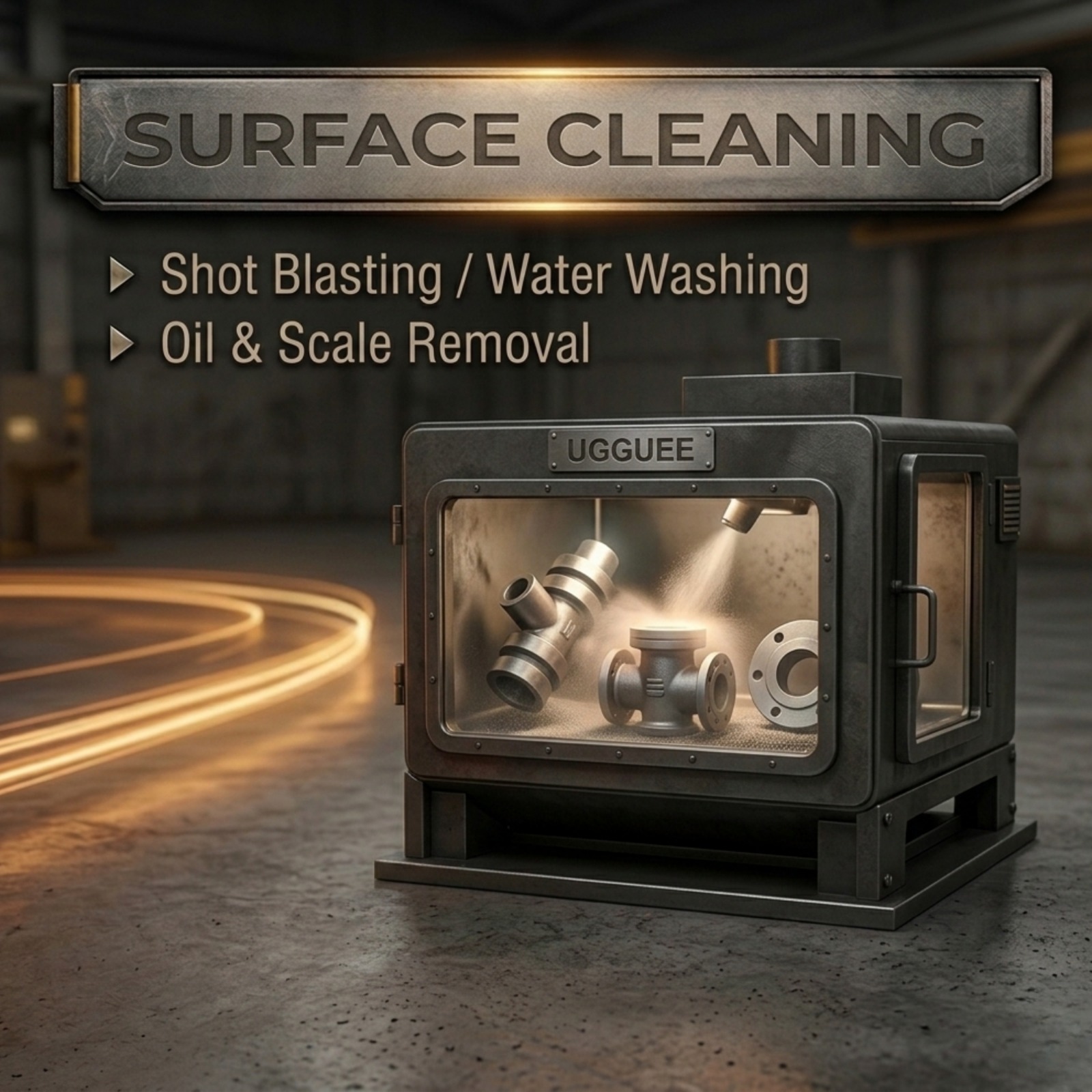
Contaminant Removal: Thorough degreasing and descaling to eliminate oxidation, oils, and industrial residues from the flange surface. Mechanical Abrasives: Utilizing shot blasting or precision brushing to create an ideal surface profile for subsequent coating or sealing. Integrity Assurance: Final chemical cleaning and inspection to ensure a pristine interface for high-pressure gasket seating.
Final Quality Inspection
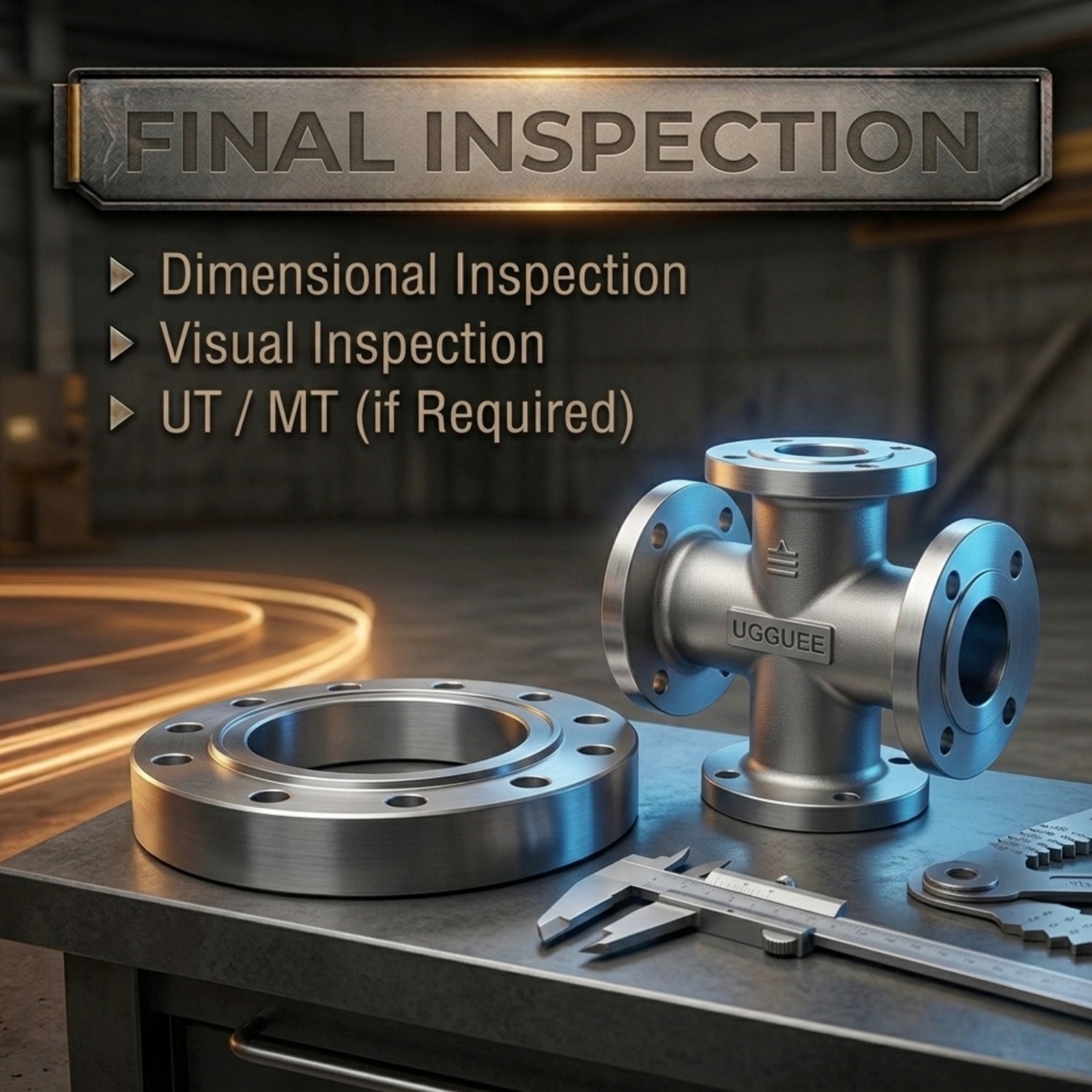
Zero-Defect Verification: A comprehensive final assessment involving precision ultrasonic and magnetic particle testing to ensure 100% internal and surface integrity. Dimensional Validation: Rigorous checking of all critical tolerances, including flange face finishes and elbow wall thicknesses, against the master project specifications. Documentation & Traceability: Finalizing the 3.1 MTC data packages and hard-stamping heat numbers to ensure full material pedigree before the product leaves the facility.
Precision Marking & Identification
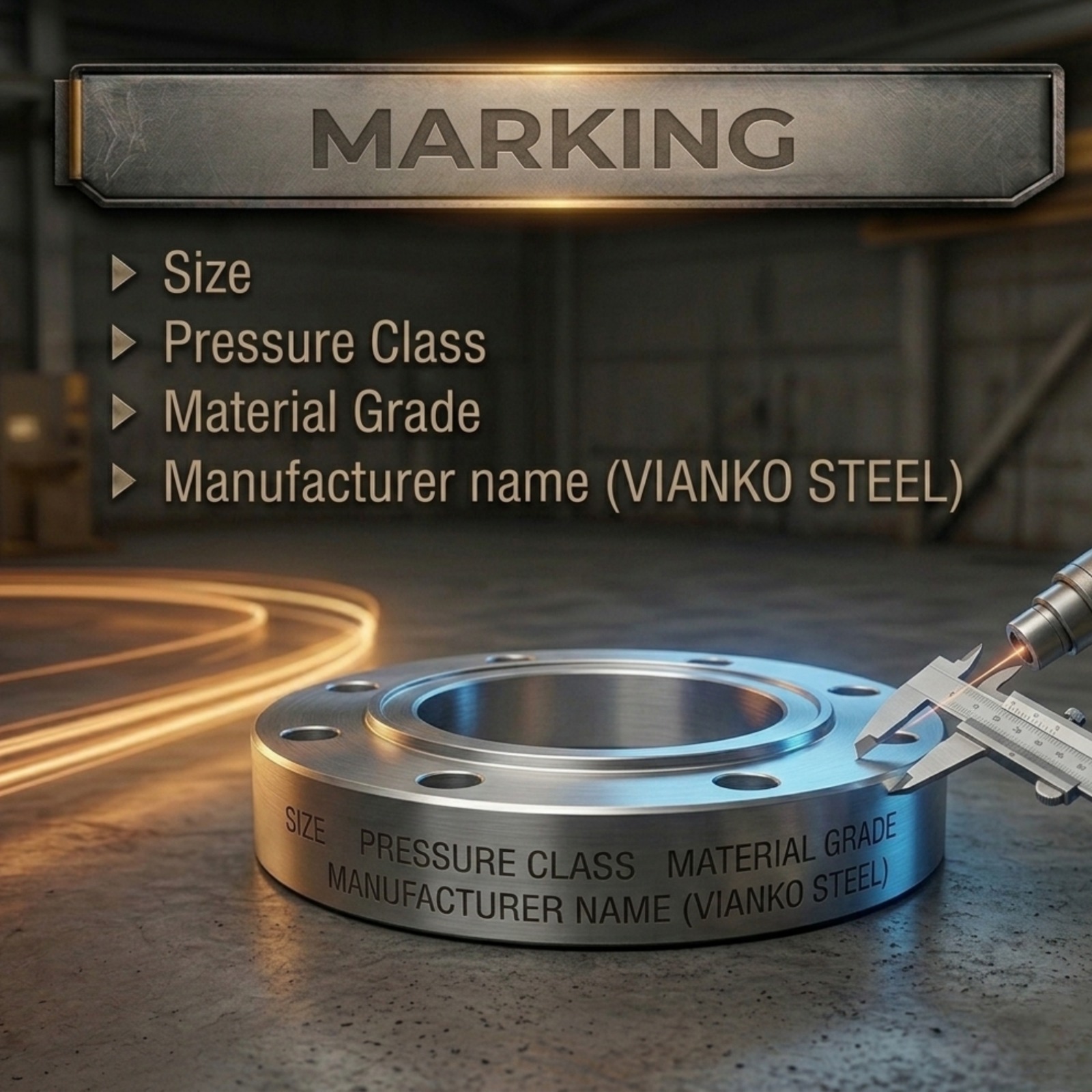
Permanent Traceability: Utilizing low-stress hard stamping and laser etching to clearly mark heat numbers, material grades, and pressure ratings for lifelong identification. Compliance Coding: Accurate application of required international standards, brand logos, and size specifications according to industry and protocols. Serialized Tracking: Implementing unique batch codes to ensure every component is fully traceable back to its original raw material source and manufacturing date.
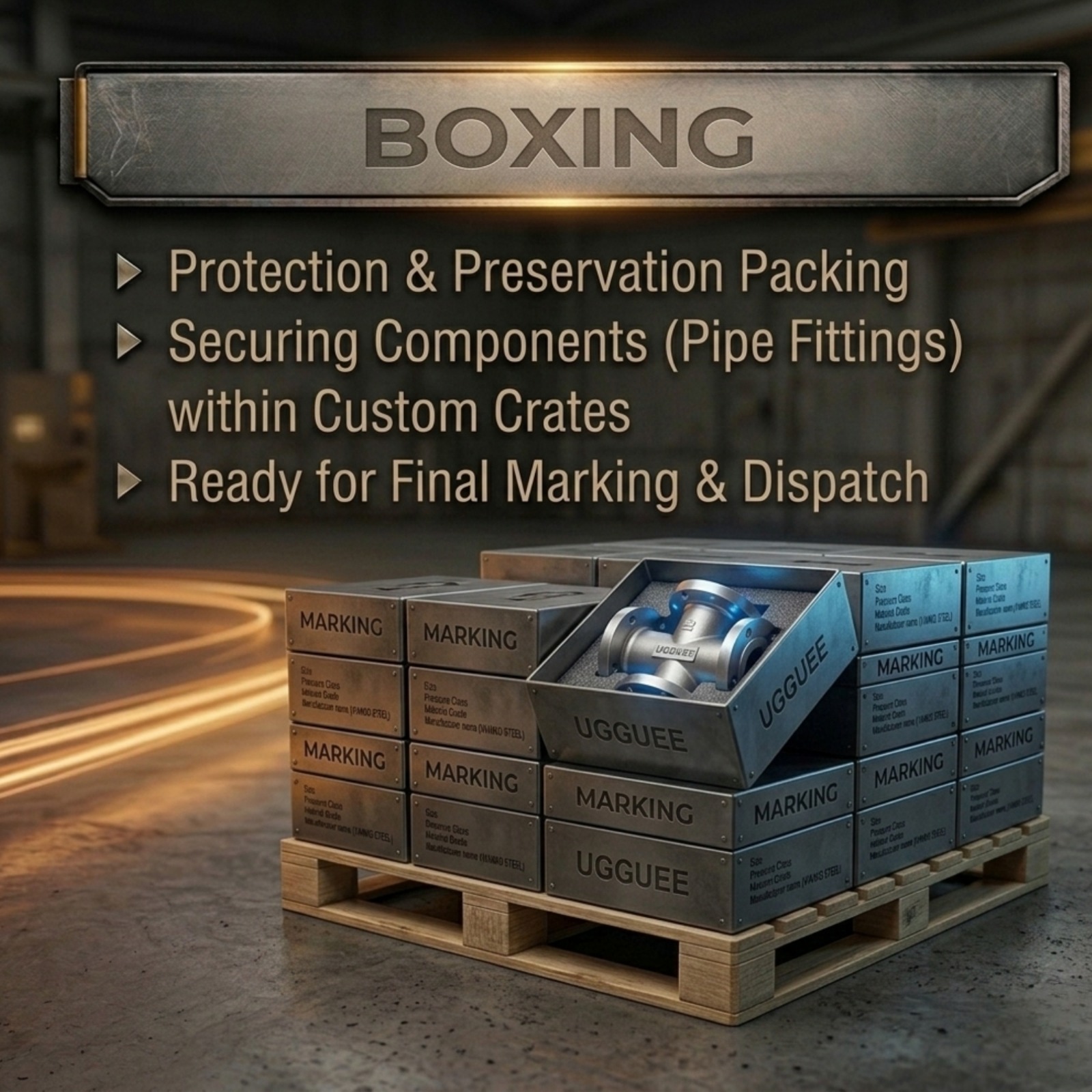
Protective Boxing
Secure Component Containment: Custom-built wooden crates and reinforced boxes designed to prevent movement and impact damage during long-haul transit. Precision Layout: Systematic arrangement of flanges and elbows within the packaging to maximize space efficiency while ensuring no metal-to-metal contact. Environmental Shielding: Utilization of heavy-duty liners and moisture-resistant barriers to protect the integrity of the components from humidity and sea-spray.
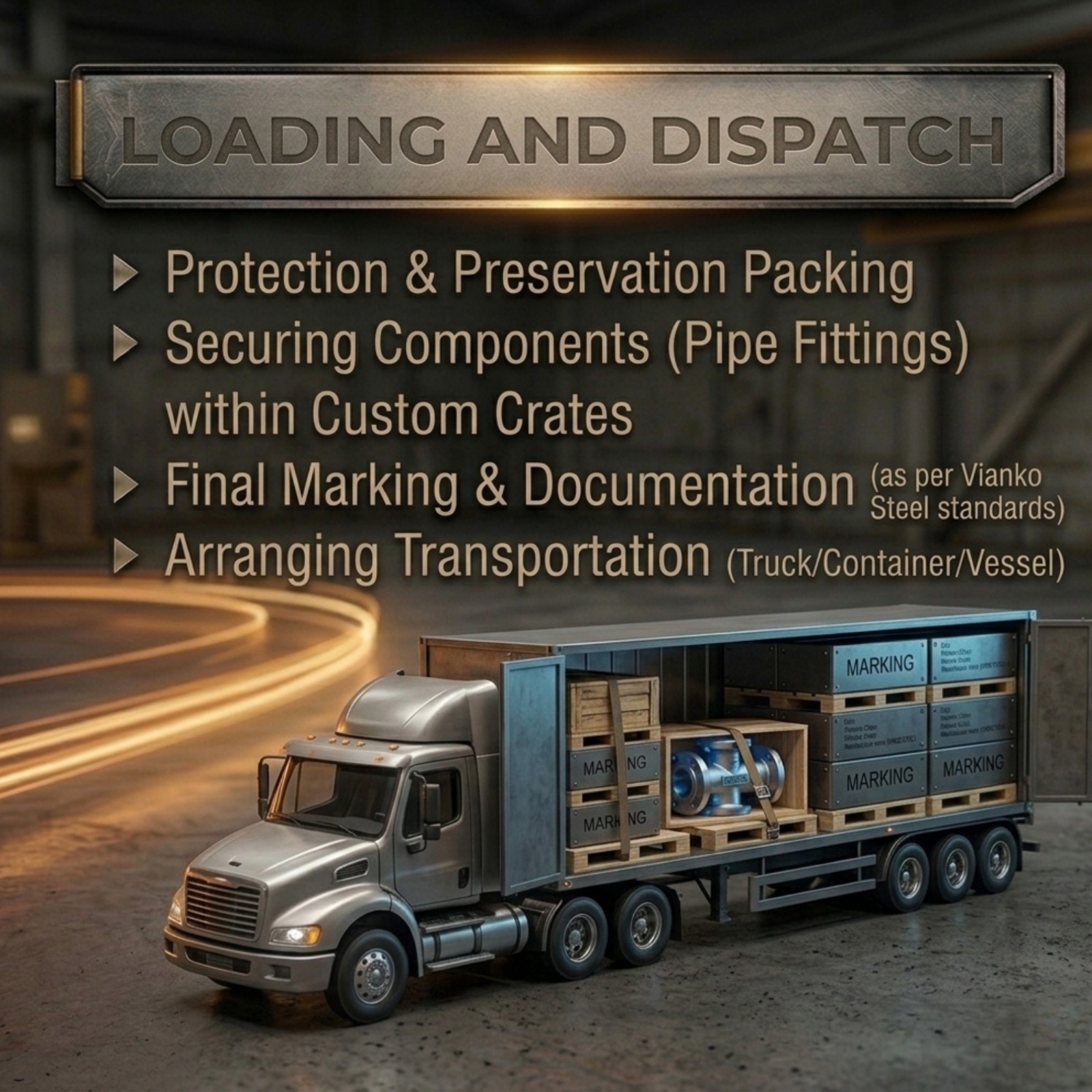
Loading & Dispatch
Secure Logistics Handling: Utilizing heavy-duty forklifts and precision overhead cranes to ensure safe, damage-free loading onto transport vehicles. Optimized Load Distribution: Strategic weight balancing and secure strapping protocols to maintain cargo stability during domestic or international transit. Global Distribution: Final documentation verification and real-time shipment tracking to ensure on-time delivery to your project site, anywhere in the world.